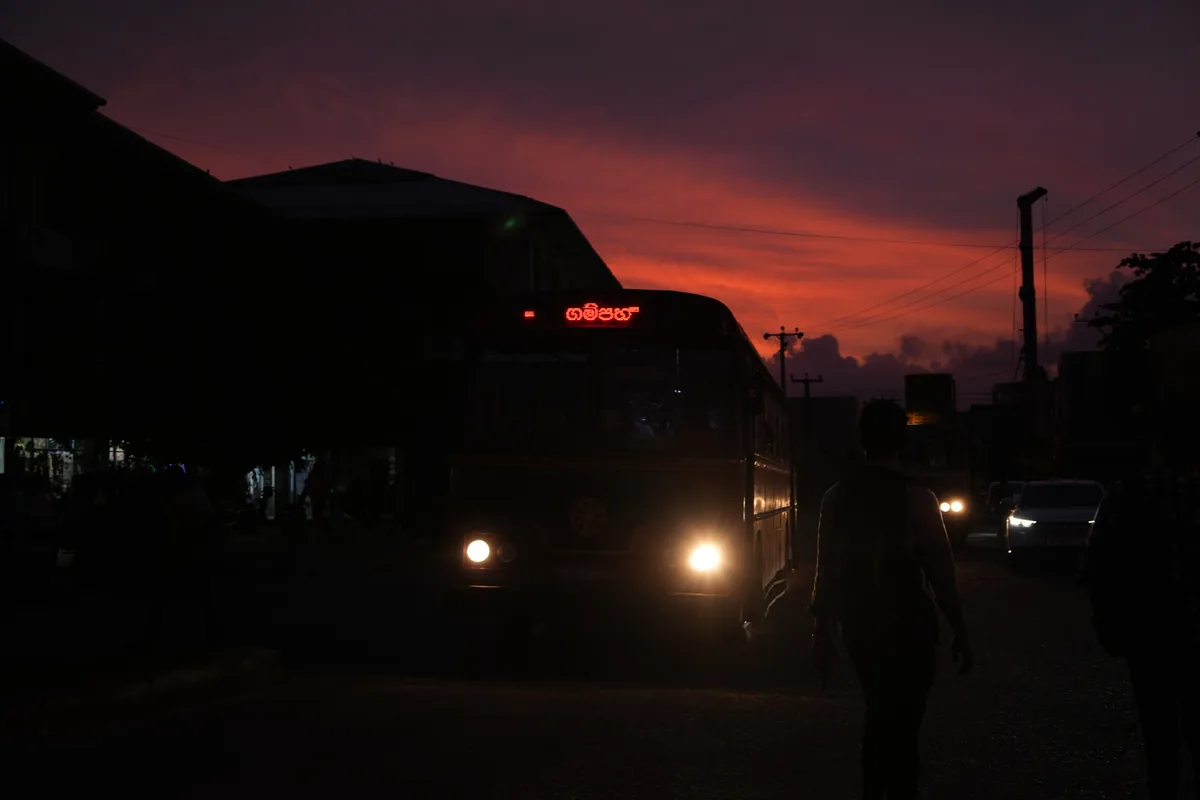
Gampaha’s history is easier to follow when you distinguish the town from the much wider district. The place name, Henarathgoda’s botanical heritage and the railway provide useful threads; local businesses add another, smaller scale of memory. Each thread deserves evidence rather than an embellished origin story.
Gampaha and the older name Henarathgoda
The Western Province Tourist Board explains Gampaha as meaning five villages and records Henarathgoda as a former name. It also notes uncertainty about identifying one of the villages within today’s town limits. That qualification matters: a neat name explanation should not become an unquestioned boundary map.
When comparing old and modern accounts, look at what each source means by the place name. A garden, a station, a settlement and an administrative area may carry related names without sharing the same boundaries. Keep those distinctions in mind before joining details into a single timeline.
The district date is not the town’s founding date
The tourist board dates the creation of Gampaha District from part of Colombo District to September 1978. That administrative change does not date the origin of the town. Earlier local history must be read through records about the settlement and its surroundings, rather than inferred from the district’s creation.
This also changes how a visitor reads a heritage list. A landmark elsewhere in Gampaha District may be important to the region without belonging to a short walk around Gampaha town. Check location and context before treating a district-wide story as a town-centre event.
Botanical history as a local landmark
The Department of National Botanic Gardens links Henarathgoda with rubber introduction and records the garden’s establishment in 1876. This gives Gampaha a documented connection with botanical research and cultivation history, rather than simply a scenic garden to add to a travel list.
A visit can begin with that broad connection, then follow the department’s interpretation for more detail. Resist attaching a date to every old-looking tree or structure. The age of a particular feature needs its own evidence, even where the institution itself has a well-recorded history.
Read the railway as another thread
The current Sri Lanka Railways Main Line list includes Gampaha. It confirms the town’s place on that route today; it does not, on its own, establish when a particular station building opened or how every railway-era development happened.
To explore transport history further, compare dated maps, official railway records and photographs whose locations are known. A surviving building and a station name can lead to worthwhile questions, but appearance alone is a poor basis for declaring a structure’s original purpose or age.
Local trade and the everyday record
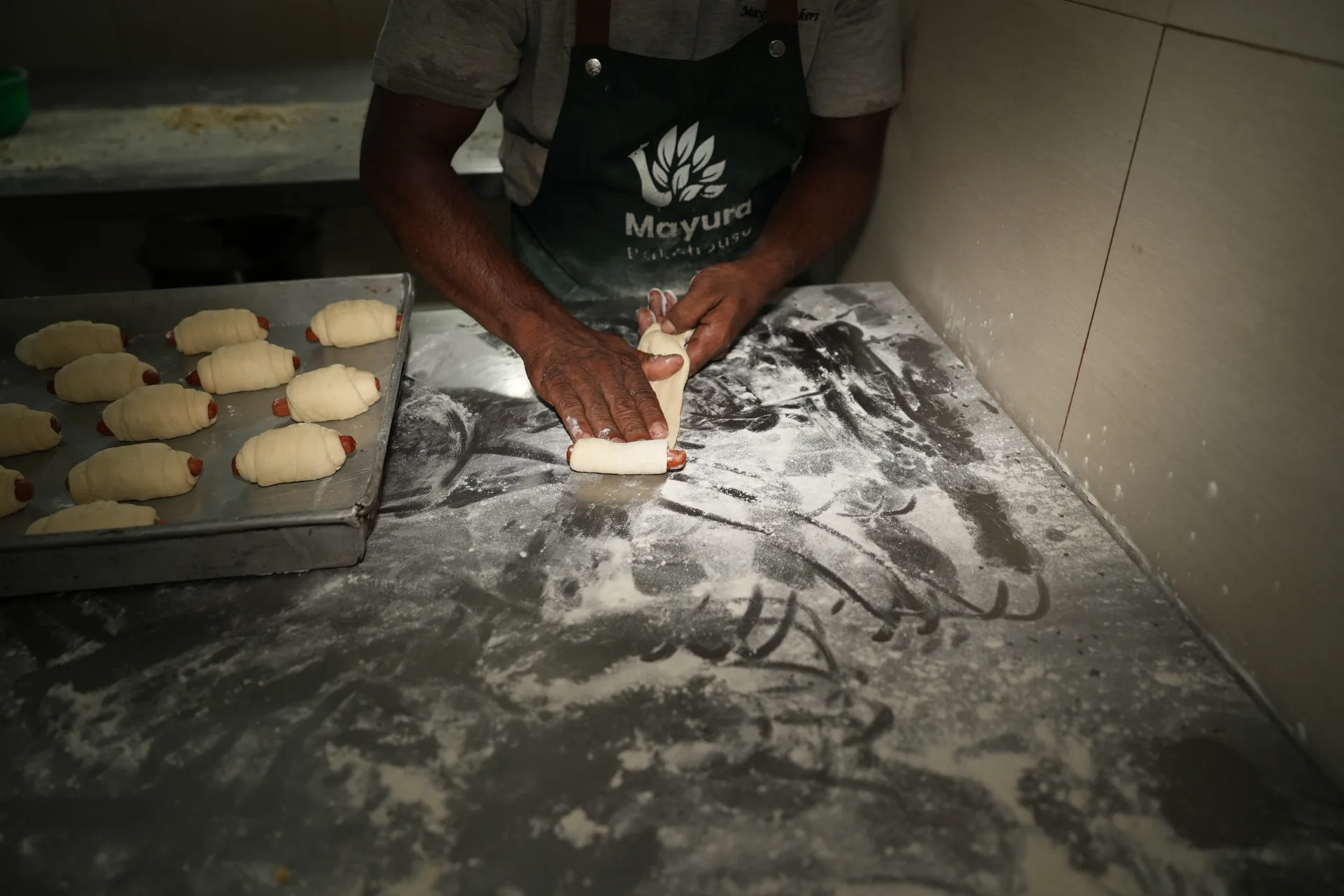
Town history also has room for family memories. According to the family’s business account, Mayura Bake House has over 80 years of history, beginning as Subash Bakeries. David Appuhamy and Chandrawathi built the bakery together, and it has continued through three generations.
This is the bakery family’s account, separate from the independently sourced town history above. It does not establish a date for the town’s founding or connect the bakery to a particular civic event. Dated photographs and business records would help place those family memories in a wider historical record.
Read Mayura’s account of its bakery identity
Looking at change without inventing a timeline
To see how town life has changed, begin with an old photograph whose date and viewpoint are known. Compare shopfronts, road layouts and visible signs with the same location today. Record what the image actually shows before guessing what caused the differences.
If you are collecting family memories, keep the speaker’s name, the approximate period and permission to share the story. A remembered journey is valuable even when it does not settle an official date. Keeping memory and documentary evidence distinct makes local history more useful for the next reader.
Written by Mayura Bake House.
Sources and further reading
- Western Province Tourist Board: Gampaha history
- Department of National Botanic Gardens: Henarathgoda
- Sri Lanka Railways: Main Line stations
- Mayura Bake House: our bakery and visiting information